



Monthly after-school sessions
Classroom plus field. 90–120 minutes. One primary learning pillar, a skill station, and time applying it.
Programs
Monthly after-school education plus tournaments for middle and high school students. Marine biology, water safety, first aid, ethical angling, and life skills — taught by people who do this work.
Year 1 · Students
40–60
Middle and high school, ages 11–18
Year 1 · Education
8–10
Monthly classroom + field sessions
Year 1 · Events
6–8
Educational tournaments and special days
Classroom plus field. 90–120 minutes. One primary learning pillar, a skill station, and time applying it.
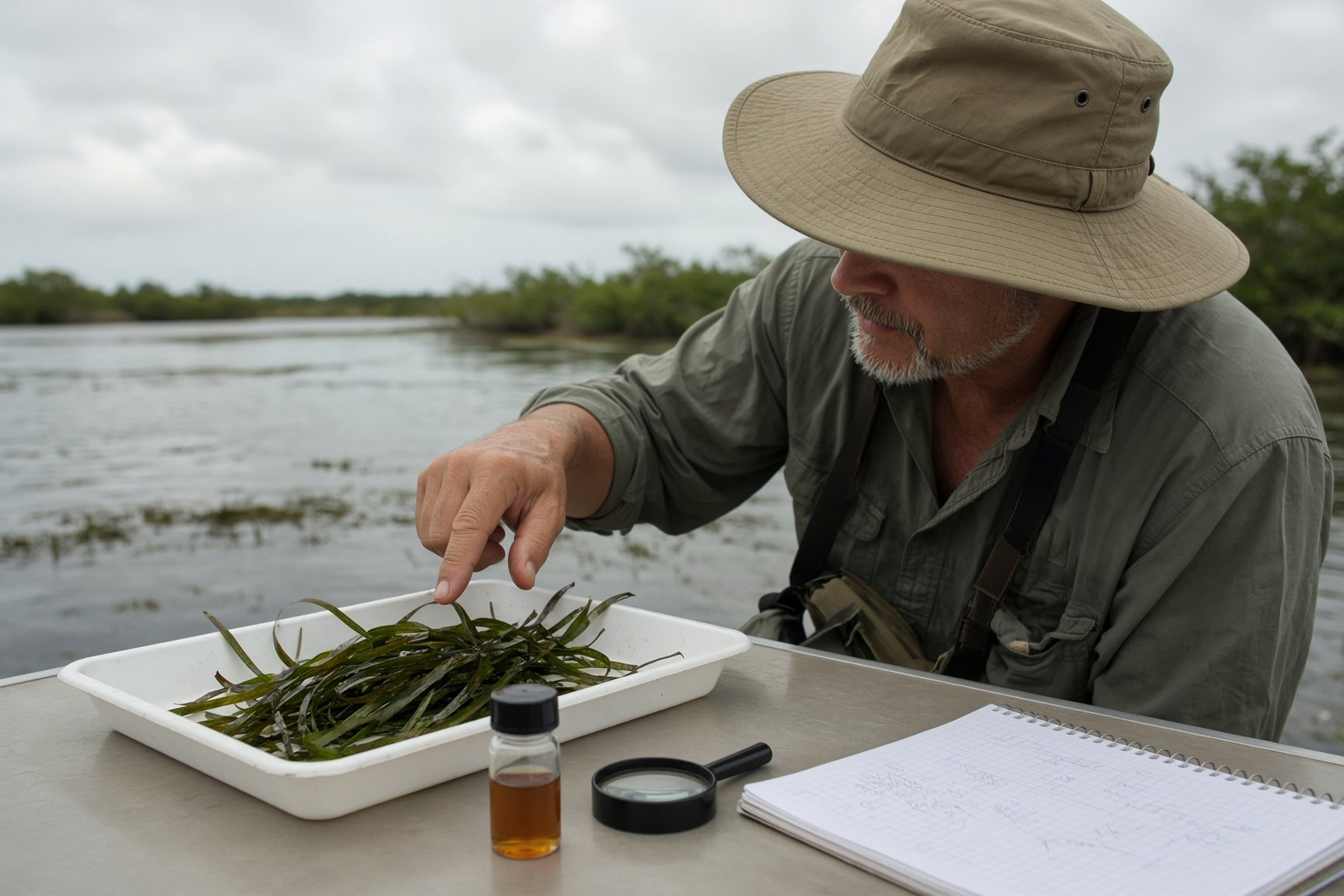
The education component — marine science, water safety, first aid, ethics, and leadership on the water.
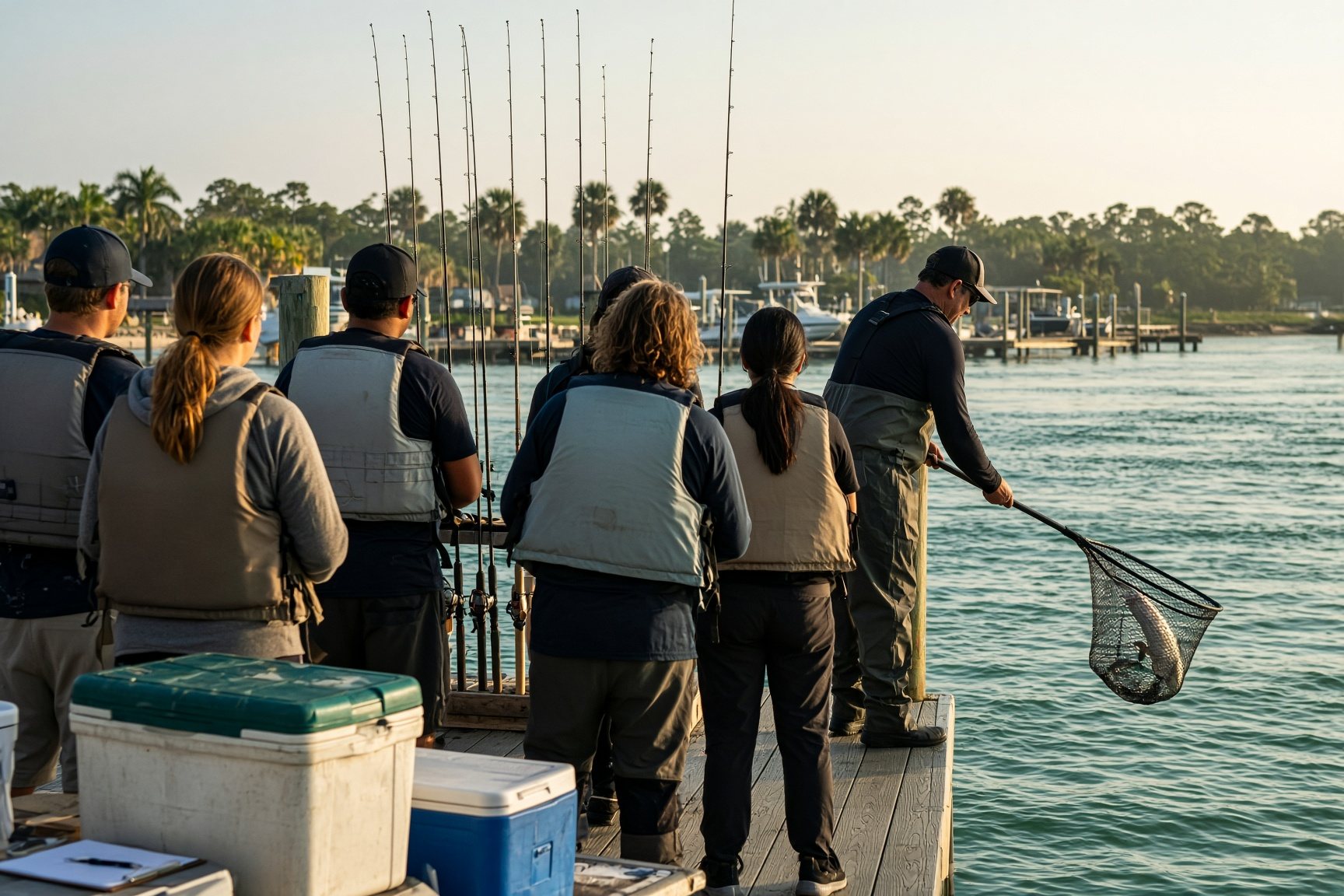
Catch-and-release educational tournaments on select months. Conservation scoring, skill checkpoints, family invited.
Curriculum
Know this water
Fish identification, mangrove and seagrass habitats, food webs, and human impact — specific to the Loxahatchee River and Jupiter Inlet, not a generic textbook coast.
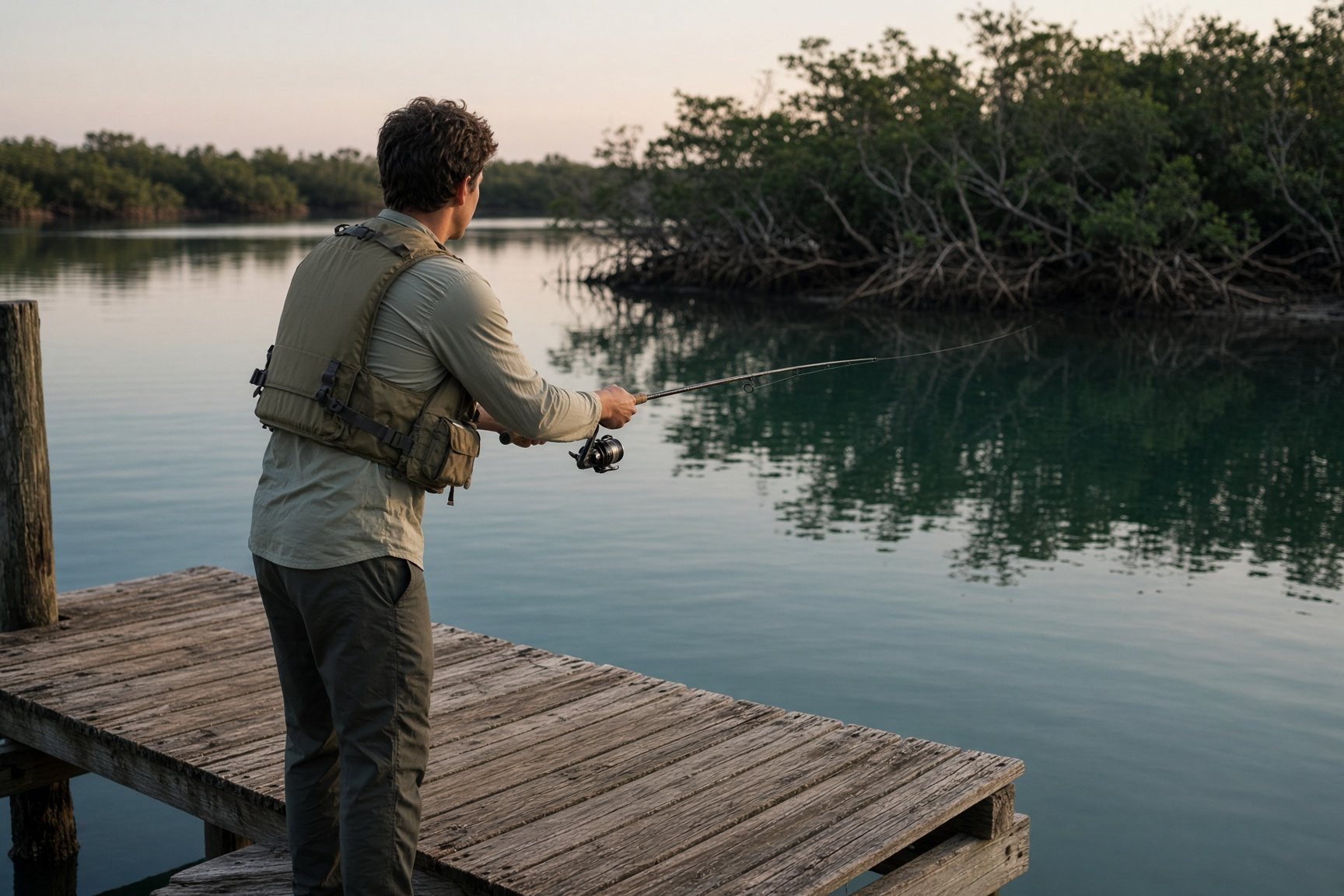
Before the first cast
Coast Guard-approved PFDs, weather, knots, rip currents, and how to behave on a dock or a vessel. On-water days run only with a licensed captain.
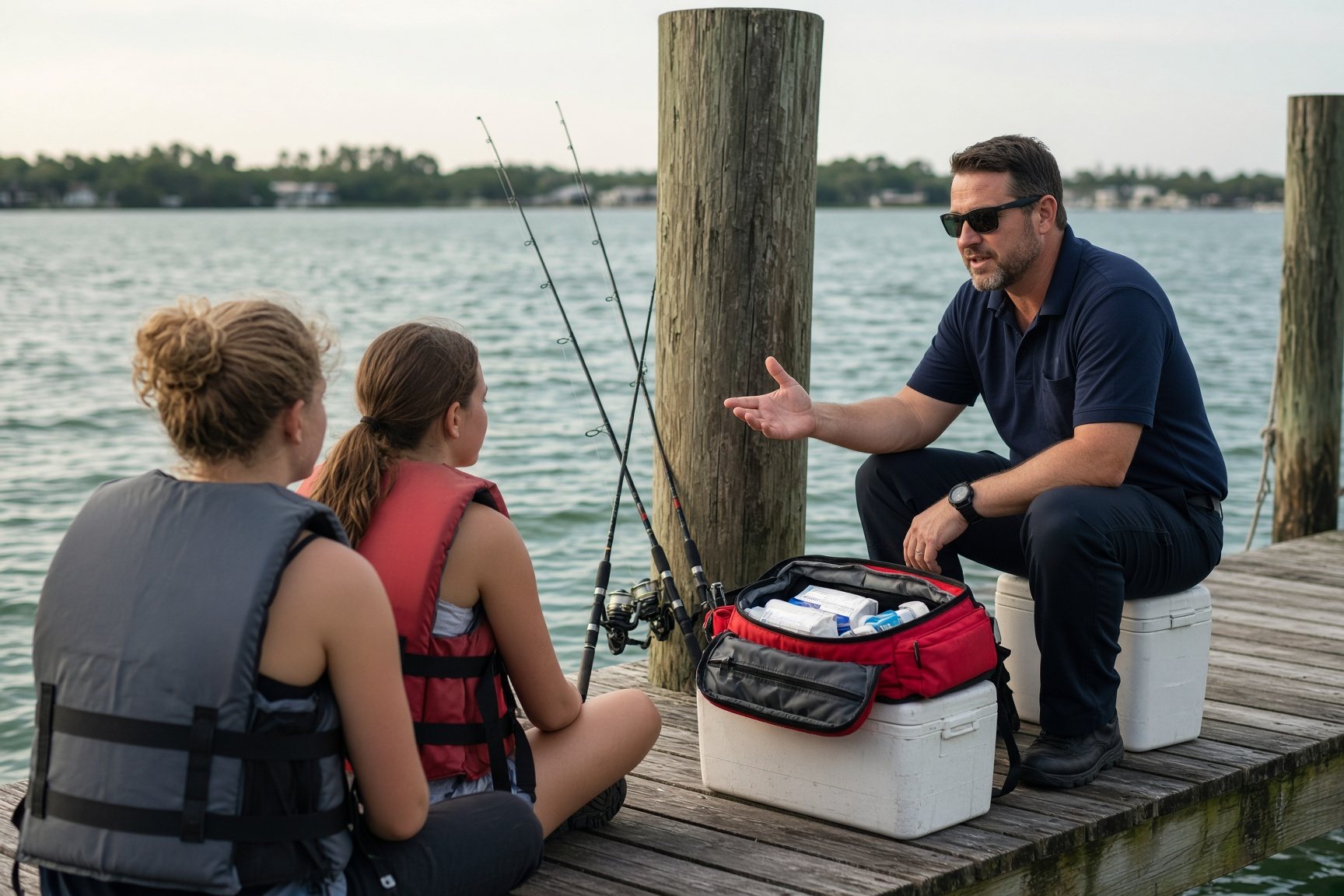
Firefighter-paramedics
Age-appropriate first aid, bleeding control, heat illness, marine stings, and CPR awareness. Taught and supervised by certified paramedics and firefighters.
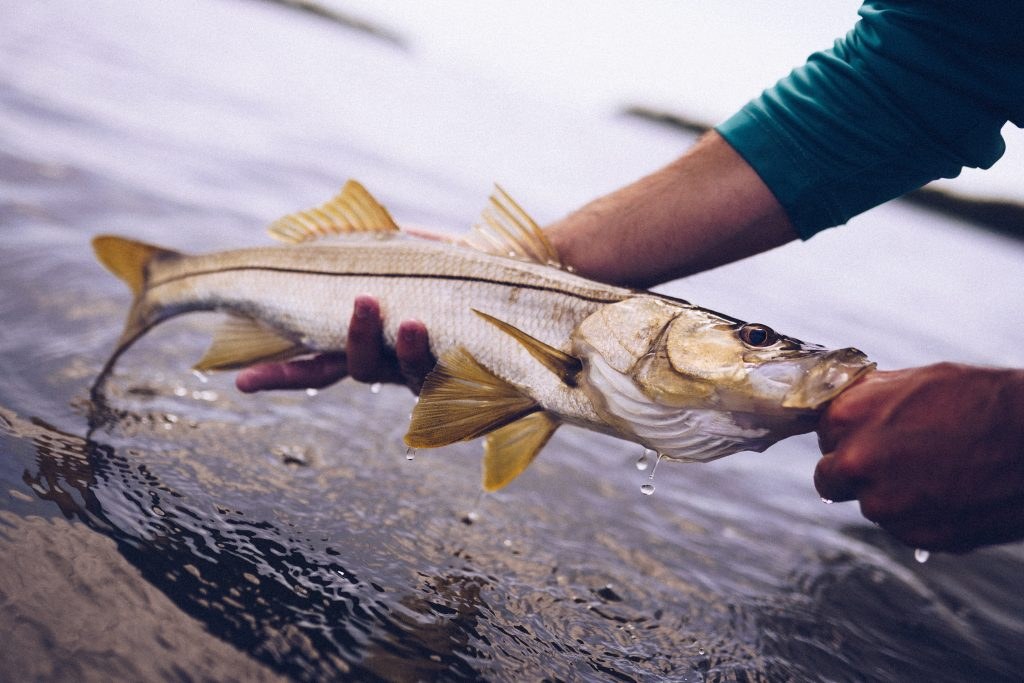
Catch and release
Catch-and-release handling, FWC size and bag limits, Leave No Trace, marine debris, and the teen’s job as a steward of this estuary.
Off the phone, on a team
Goal-setting, patience, teamwork, sportsmanship, leadership, and a look at careers in marine science, conservation, and emergency services.
Ninety to 120 minutes. Every day blends knowledge, a skill you can take home, and time applying it.
1
Headcount, PFD check if needed, weather, and the rules of the day. Never skipped.
2
A short talk plus specimens or visuals, focused on one pillar.
3
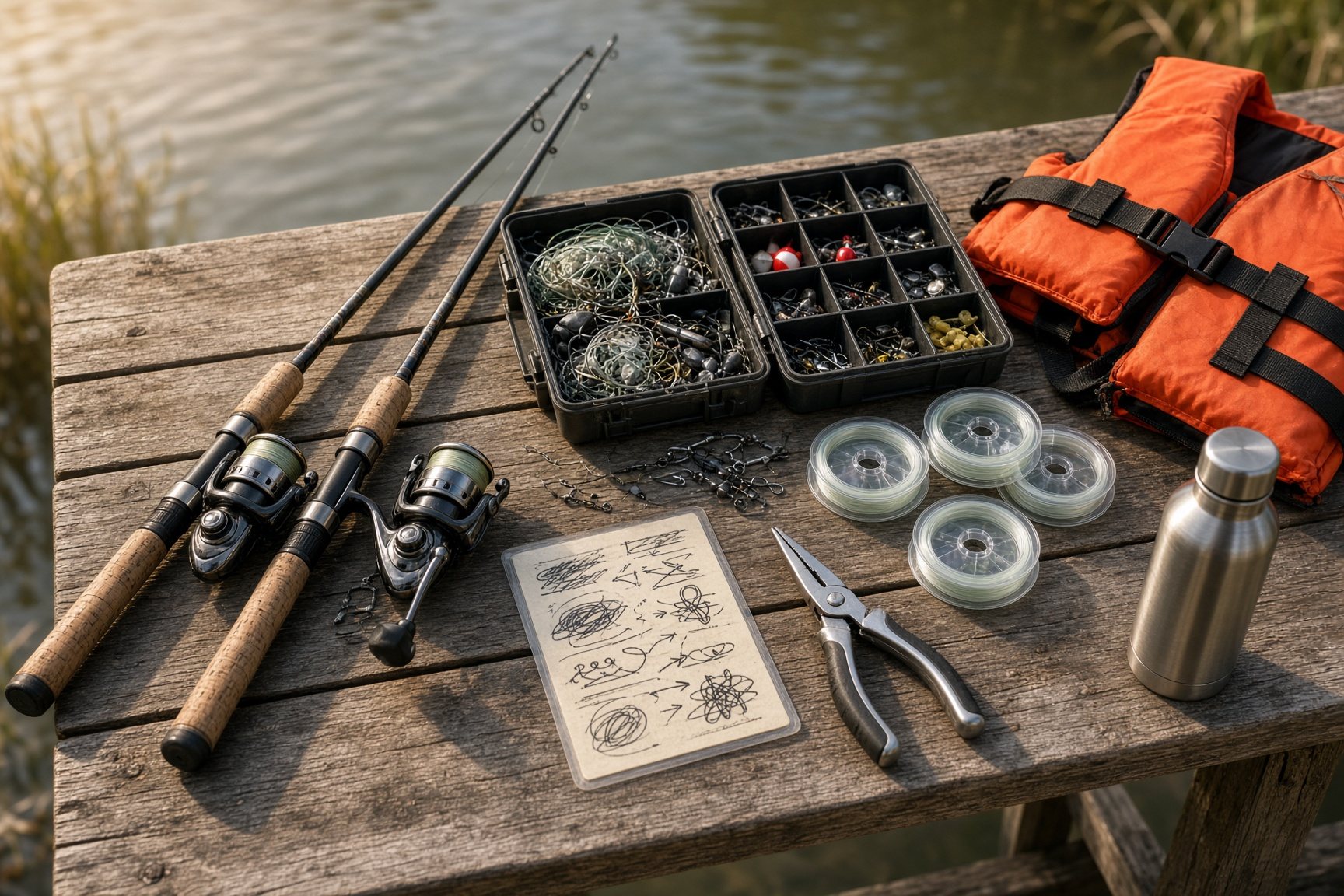
Knots, casting, fish handling, a first-aid scenario, or a water-quality test.
4
Shore fishing, habitat walk, observation, or tournament skills practice.
5
What we learned, a safety reminder, next session, final headcount.
Indoor 1:10. Shore-based field 1:6. On the water: one licensed captain plus one additional adult per vessel.
Every adult with direct student contact completes Level 2 (or equivalent) background screening before they work with teens.
At least one CPR- and first-aid-certified adult at every session. The program director is a licensed paramedic-firefighter.
Coast Guard-approved PFDs, worn correctly. Licensed captains have final say on the vessel. No free swimming in the standard program.
Year 1 aims to keep participant fees at zero through grants, gifts, and in-kind tackle. If you have working rods, PFDs, or boat time, that goes straight to a student.